Use short gaps for tasks that genuinely fit the time
A short gap between commitments does not need to become study time automatically.

Decide whether the gap is usable
A short gap between commitments does not need to become study time automatically. Travel, meals, rest and conversation have their own purposes. When you do want to use a gap, choose work that fits the place, available time and materials. A task requiring complex drafting may be unsuitable on a noisy bus. The aim is to make optional short sessions useful, not turn every unoccupied minute into academic debt.
Create a small task menu
Prepare a few tasks with a defined output: explain one concept, review a corrected error, label a diagram or write a question for class. Keep the material accessible without extensive setup. Avoid tasks that appear short but depend on locating a file, reading a long brief or waiting for another person. A task menu should make selection quick while remaining connected to your current learning priorities.
Try a ten-minute waiting period
Imagine waiting before an activity with a Biology notebook available. You could close the notes and explain a process from memory, then check one missing link. If the setting interrupts concentration, choose a simpler organizational action, such as identifying the next project step. Do not begin a sensitive interview or complex calculation just because the time exists. The task should suit the conditions and leave an inspectable result.
Keep longer work in proper blocks
Short sessions can maintain familiarity or prepare the next action, but they do not automatically replace sustained work. Reserve appropriate blocks for research, drafting, investigation and full practice. Record where a short task leaves off so you can connect it to the larger project later. If fragmentation makes the task harder, move it to a suitable session rather than insisting that every gap be used.
Review the menu occasionally
Remove tasks you no longer need and add ones based on recent feedback. Notice whether short-gap work actually addresses a priority or merely offers an easy feeling of productivity. Keep breaks available when they are more useful. A good menu gives you options you can choose from, with small tasks that are meaningful, feasible and easy to resume without expanding into unrelated browsing.
Sort tasks by setup cost
Give each proposed short task a setup cost: immediate, requires a file or depends on further information. Keep immediately usable tasks in the gap menu and move the others into proper work blocks. Test one menu task in the actual setting, then record whether the output was meaningful. If interruptions prevent useful work, remove that task from the menu. A short time window is valuable only when the whole task, including setup and checking, fits the conditions.
Your next-step checklist
Checklist choices stay in this browser.
Official references
This is an original practical guide from IBvia. The examples are illustrative; your subject guide, assessment year and school instructions determine the requirements.
Keep working on your next step
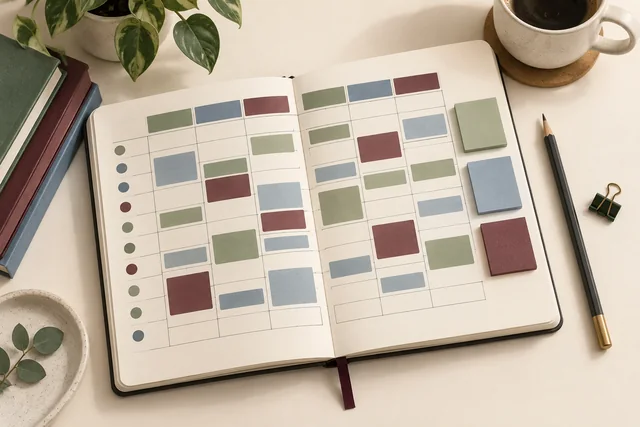
Build a DP1 study system you can keep using
A practical weekly routine for lessons, independent practice and the first steps of longer IB projects.
Read the guide ↗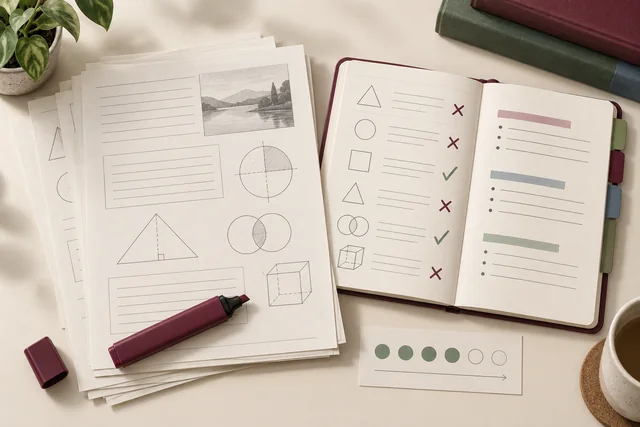
Turn teacher feedback into visible revisions
Translate comments into actions, repair the reasoning first and verify that the revised draft solves the problem.
Read the guide ↗