Choose a Geography fieldwork question from measurable patterns
A Geography fieldwork question should connect a geographical process to observations you can collect appropriately.
Start where you can collect data
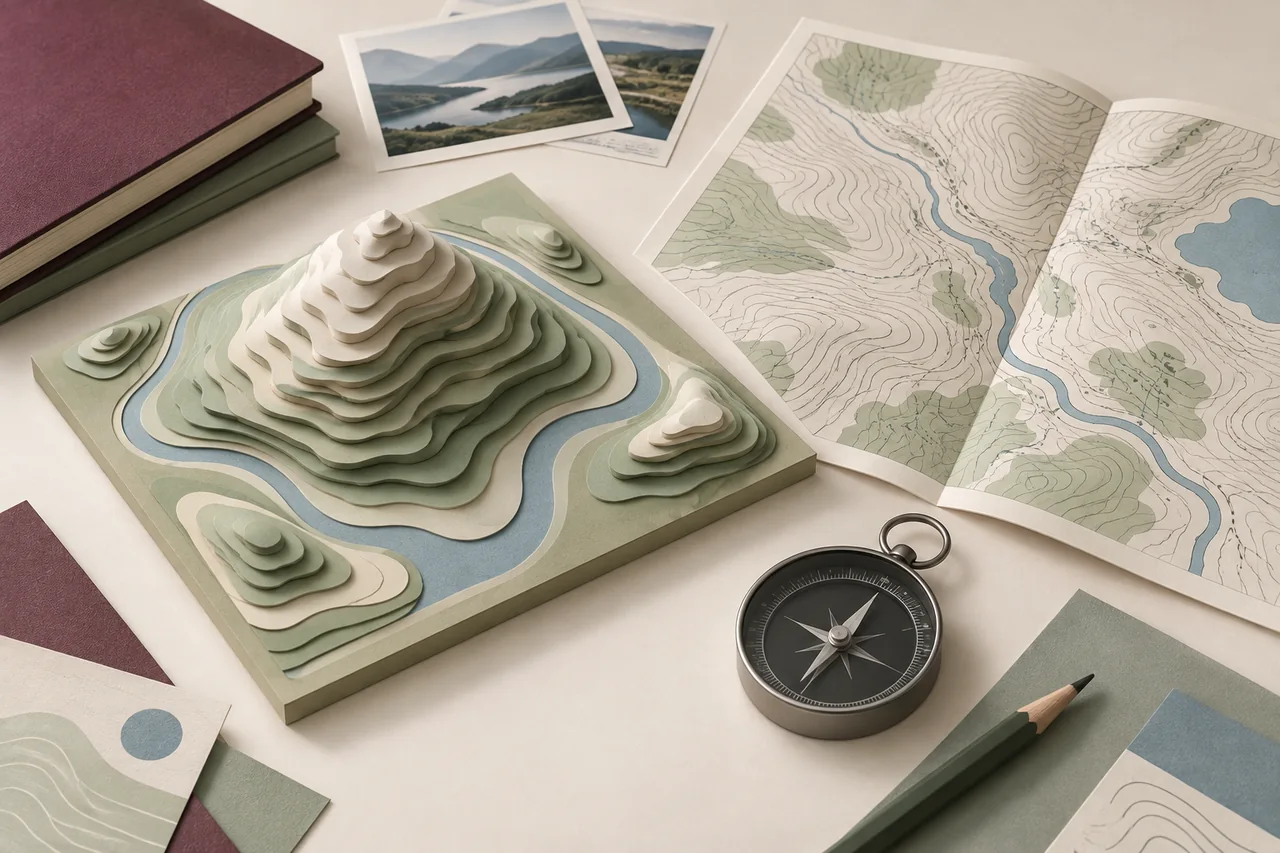
A Geography fieldwork question should connect a geographical process to observations you can collect appropriately. Begin with accessible local settings rather than an ambitious title. Consider a river reach, coastal section, urban transect, recreational area or other location linked to your taught content. Identify what varies across space and which process could explain that variation. School approval, site access and practical constraints belong in this first decision, before a detailed investigation plan.
Turn interests into measurable candidates
For each location, write two or three candidate relationships. Examples might involve pedestrian flows and distance, environmental quality and land use, or sediment characteristics along an approved sampling route. Specify the observations required for each relationship. A question about people's experiences needs a different method from a question about physical measurements. Do not choose a variable simply because it is easy to record; it must help address the geographical question.
Check sampling and comparison
Ask where, when and how often observations can be collected. Your sampling plan should allow a meaningful comparison while remaining feasible. If all observations come from one convenient site, the question may need a narrower claim. Consider whether conditions change during the collection period and whether another variable could explain the pattern. Record these issues as design decisions, not as generic limitations to add after you have collected everything.
Test an urban transect idea
Imagine investigating how pedestrian activity changes with distance from a transport station. Mark accessible points along a route and plan comparable counting periods. A count at the station during the morning rush and a count farther away at midday would confound distance with time. You could revise the schedule or narrow the question. Also note land use and major crossings, because these may help explain why some points depart from a simple distance pattern.
Pilot before finalizing the question
Conduct a small approved pilot or method rehearsal with your teacher's guidance. Check whether measurements are consistent, categories are clear and enough variation exists to analyse. A pilot may reveal that your question is too broad or that a variable is unreliable. Revise the question and method together. Keeping a record of the change helps you explain why the final design is more suitable than the first idea.
Choose with a feasibility comparison
Compare candidates using geographical relevance, accessible primary data, method clarity and likely analytical value. Avoid picking the most complicated option simply because it sounds impressive. Prepare a short plan with the final question, expected relationship, sampling approach and important uncertainties. Review it with your teacher before collection. The strongest starting idea is one that can produce interpretable evidence about a defined geographical relationship within the conditions of your fieldwork.
Consider what an unexpected result would mean before collection. If the proposed relationship does not appear, could your observations still support geographical interpretation? A question with room for an informative negative result is often more useful than one requiring a predetermined outcome.
Your next-step checklist
Checklist choices stay in this browser.
Official references
This is an original practical guide from IBvia. The examples are illustrative; your subject guide, assessment year and school instructions determine the requirements.
Keep working on your next step
Choose evidence that can answer your Business IA question
Select supporting documents for a real organizational issue and use their strengths and gaps in your analysis.
Read the guide ↗
Plan an Economics IA commentary around one event
Choose an article, connect its event to economic theory and develop evaluation that follows the evidence.
Read the guide ↗