Choose CAS experiences that have a purpose
Adapt creativity, activity and service ideas around your interests, starting point and community needs.
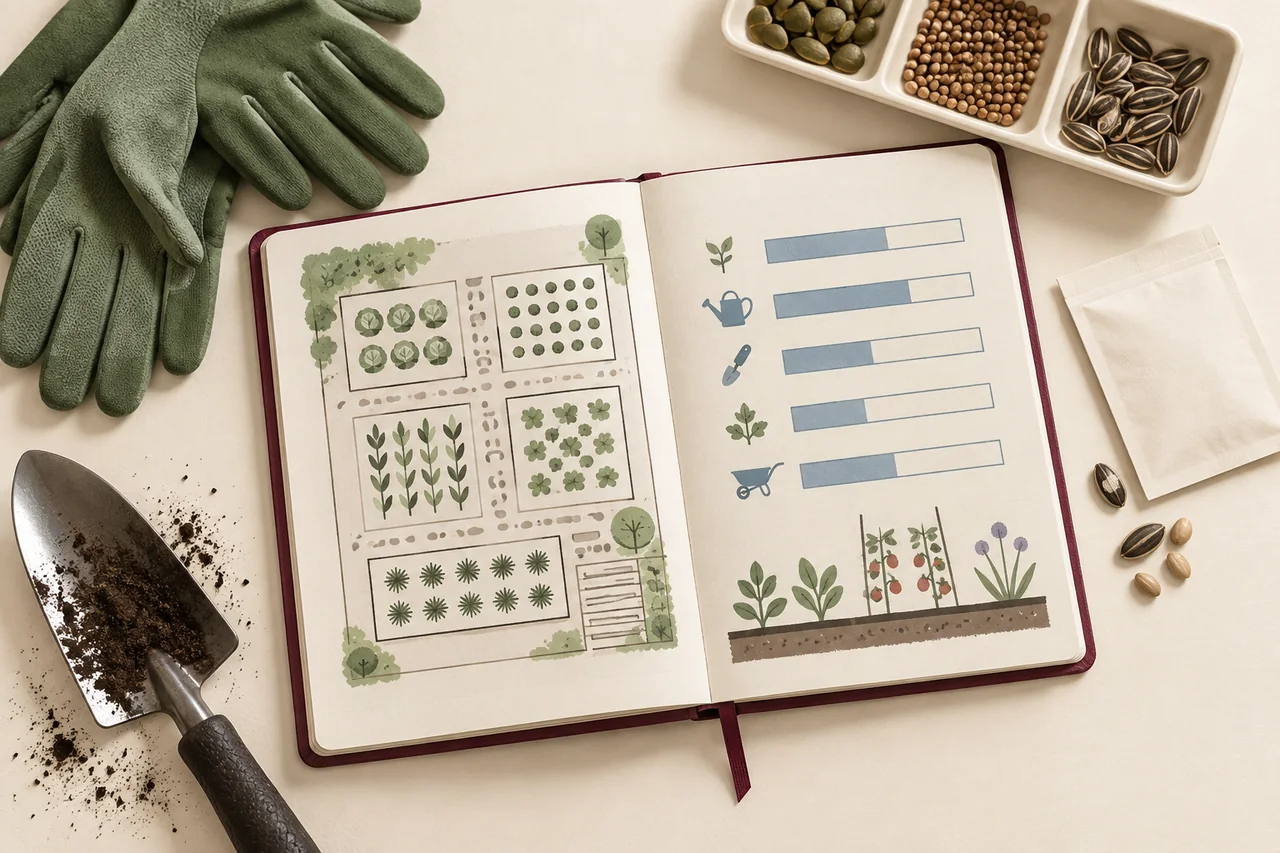
Use ideas as prompts for design
A useful experience begins with a purpose and a personal starting point. Instead of choosing something solely because it appears on a CAS list, ask what you want to learn and what participation would involve. Check the strand fit and approval process with your coordinator. The ideas below are examples to adapt. Your school's context, supervision arrangements and the nature of the activity determine suitability. You do not need an extravagant experience, but you should be able to explain why it offers meaningful development.
Give a creative interest a new challenge
Consider creating illustrated instructions for a community activity, composing a short piece in an unfamiliar style, designing a small exhibition or learning a new performance technique. Define the creative decision you will make and how you will assess your progress. An experienced artist may need a different challenge from a beginner. Keep versions or rehearsal notes so you can compare your starting point with later work. Separate the experience from assessed coursework, and clarify permissions before using someone else's images, music or stories.
Plan activity around suitable physical growth
Possible directions include a gradual walking challenge, practising a new dance form, developing technique in a familiar sport or joining an accessible exercise programme. Choose an appropriate goal with relevant support. The learning can involve consistency, adaptation or understanding your own limits as well as a performance measure. Avoid comparing everyone's progress with the same target. Record what you tried and how you responded to difficulties. If access or circumstances change, discuss an alternative with the coordinator rather than inventing participation records.
Build service from a conversation
Ask a local organization or school community what support would actually help. Possibilities might include assisting an established repair event, supporting an agreed reading programme, preparing accessible information or working on a community garden. Listen to the organization's priorities and constraints. You should not assume that a one-off donation or publicity campaign answers the underlying need. Agree roles, reliability and communication. Respect the autonomy and dignity of those involved, and avoid collecting personal information merely to make your portfolio look more impressive.
Work through one adapted idea
Imagine students who initially propose recording stories from older residents. A conversation reveals that the community group needs help organizing existing recordings, with consent and access restrictions. The students revise the idea to develop an index and test it with the group. Creative decisions concern clear presentation; service concerns the agreed need. They document feedback and their response. This example shows why listening matters: the useful experience emerges through collaboration, and recording new personal stories is not automatically the right activity.
Select a small, sustainable starting set
Compare candidate experiences by learning purpose, access, support and commitment. Begin with a manageable set rather than a huge list. Identify evidence you can collect naturally, such as versions, attendance confirmation, participant feedback or a relevant reflection. Arrange a review point to see whether the experience is providing the anticipated learning. Some ideas will become ongoing commitments; others may remain shorter experiences. Keep the emphasis on meaningful participation and honest reflection. The best choice is the one you can carry out responsibly and learn from.
Your next-step checklist
Checklist choices stay in this browser.
Official references
This is an original practical guide from IBvia. The examples are illustrative; your subject guide, assessment year and school instructions determine the requirements.
Keep working on your next step
Start a balanced CAS programme with clear goals
Build sustained experiences across creativity, activity and service with a practical evidence plan.
Read the guide ↗
Design a CAS project idea around collaboration
Turn an appealing idea into a purposeful project with shared roles, learning and realistic scope.
Read the guide ↗