Build a creative workflow across the DP arts
The DP arts include distinct subjects with their own practices and assessment tasks.
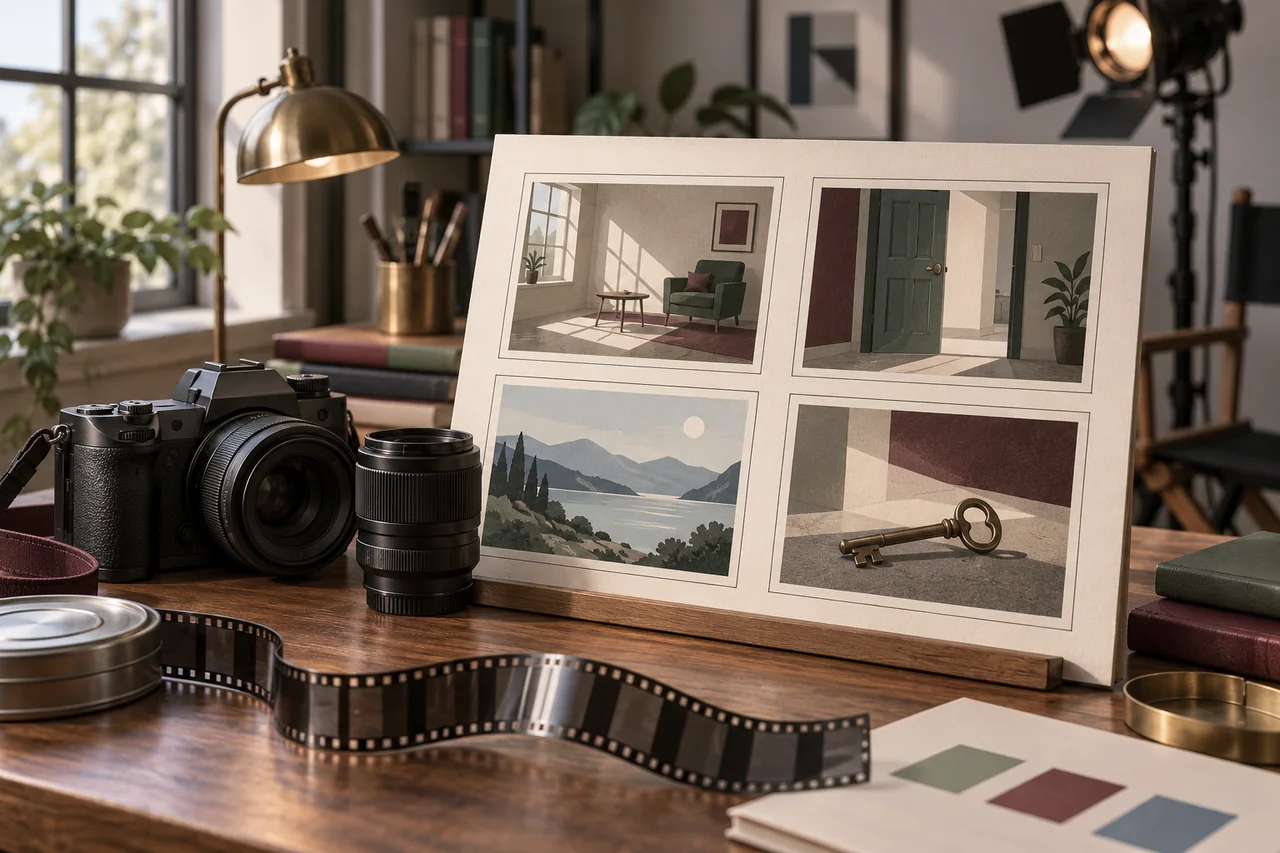
Identify the artistic task you actually have
The DP arts include distinct subjects with their own practices and assessment tasks. Start with your subject and level, then identify the work your current course asks you to create, investigate or present. A workflow can connect those commitments without assuming that every arts subject uses the same portfolio. Record the school deadlines and the kinds of evidence you need to preserve as the work develops.
Plan cycles rather than one final push
Divide a project into intention, research, trial, response and refinement. Give each cycle a small output, such as a sketch, recorded passage, scene exploration or editing test. The output should answer a creative question. Research can inform a decision about form, context or audience; it should not become a collection of references detached from making. Keep the question visible so experiments remain purposeful.
Try an audience-distance experiment
Imagine exploring how distance changes an audience's response to a performance or artwork. Test two arrangements and record what you notice about attention, detail and atmosphere. In theatre this may involve staging; in visual work it may concern scale or placement; in music it may involve presentation conditions. These are illustrative adaptations, not interchangeable assessment requirements. Use the method relevant to your subject and describe the evidence you actually observed.
Invite focused feedback
Ask viewers, listeners or collaborators a question tied to your intention. What did they notice first? Which choice made the intended relationship clear or unclear? Feedback does not require you to accept every suggestion. Compare it with your purpose and make a reasoned decision. Record why you revised or retained an element. A vague statement that everyone liked the work contributes less than a specific observation that informed the next trial.
Balance development and resolution
Set moments to select, refine and present rather than experimenting indefinitely. Identify which parts need more investigation and which are ready for a resolved version. Preserve earlier work without treating every trial as final evidence. Check the current task's required formats with your teacher before preparing a submission. A sustainable arts workflow keeps creative decisions moving and leaves you with documentation that can explain how the work developed.
Make the next creative decision visible
End the session by recording one decision, the evidence behind it and the next test you intend to make. Keep dated photographs, recordings or notes in a consistent folder so later selection can show development accurately. Credit outside material when you use it and preserve the context of influences. An unsuccessful trial can be useful evidence if you explain what it taught you and how the next version changed. Select documentation for what it reveals about your creative thinking, rather than for the volume of material you accumulated. Before final export, inspect the work in its intended format. Small text, cropped images or distorted sound can hide evidence that looked clear in the working file. Correct presentation problems while preserving the documented creative decisions.
Your next-step checklist
Checklist choices stay in this browser.
Official references
This is an original practical guide from IBvia. The examples are illustrative; your subject guide, assessment year and school instructions determine the requirements.
Keep working on your next step
Curate evidence for the Visual Arts art-making inquiries portfolio
For Visual Arts first assessed in May 2027, the art-making inquiries portfolio is a current assessment task.
Read the guide ↗
Connect musical exploration, experimentation and presentation
Musical Links Investigation belongs to an earlier Music syllabus.
Read the guide ↗